
Preventative Tactics
A proactive cultural approach is the best method to prevent pest issues - See Deke's 5 Principles. Healthy plants grown in a healthy, biologically diverse medium will naturally resist pests - See Plant Nutrition and Soil Health. For an indoor operation, thorough cleaning prior to planting and cleanliness is a great asset. Establishment of a balanced insect ecology that provides food and nectar sources for beneficials is a great approach, particularly for outdoor operations. Below you will find a number of products that can be used prior to planting to prevent pests.
Featured
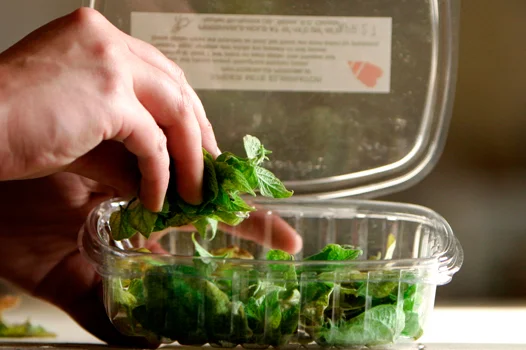
Stratiolaelaps simitus / Hypoaspis miles is a predatory mite that eats larva of fungus gnat. Also feeds on western flower thrips (WFT) pupae and springtail (especially in house plants). Lives in top layer of soil, feeds on small, soil-inhabiting insects, mites and all stages of springtails. Can adapt to many different growth media and capillary mats. No diapause: can be used year round. Active at temps > 54° F . Can survive low pest densities. Helps clean up greenhouses and mushroom production, as well as controlling mites on tarantulas, lizards and bees. Should not be applied to soil that has been treated with lime or copper sulfate mixtures. Atheta is a predator of Stratiolaelaps simitus; Stratiolaelaps simitus eats nematodes, good and bad. 10-13 L per acre OR 50 mites per 10 sq ft. Twice monthly, 2-5 times overall. Most effective applied prior to heavy infestations and for end of crop clean-up.
Shipped Wednesday, order by previous Friday