
Scale Control
Scale insects are common but often unnoticed pests that weaken plants by feeding on sap, leading to reduced vigor, branch dieback, and in severe cases, plant death. Some species produce sticky honeydew that promotes black sooty mold, while others form hard, protective coverings that make them difficult to control once established. Scale populations can increase quickly when conditions favor them, especially in the presence of ants, excess nitrogen, or a lack of natural predators.
Successful scale management relies on an Integrated Pest Management (IPM) approach that combines cultural practices, ant control, and biological control. Encouraging beneficial insects and parasitoids is the foundation of long-term suppression, helping keep scale populations below damaging levels without disrupting plant health or beneficial activity.
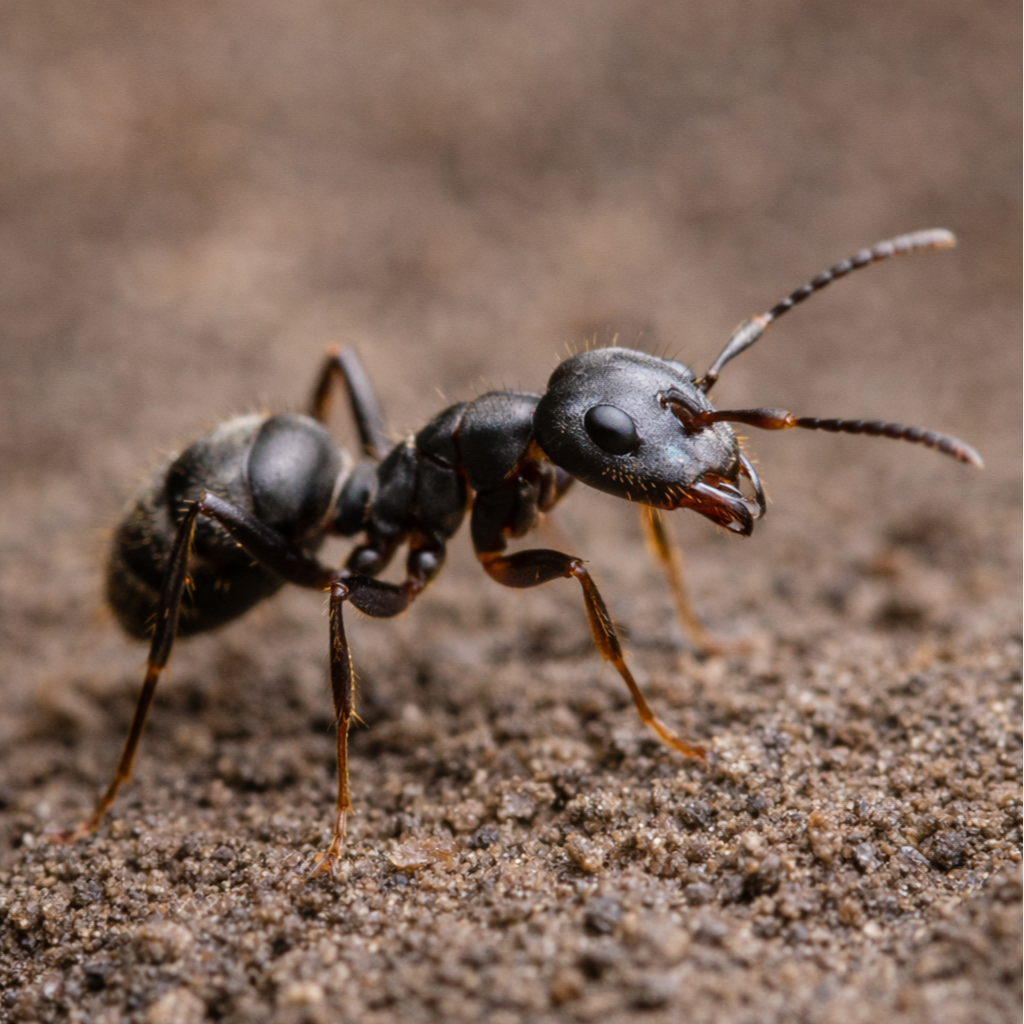
Ant Control
Scale Control Summary
Scale insects are common and often overlooked pests that can cause serious plant stress and decline if left unmanaged. They fall into two main groups: armored scale, which form hard, plate-like coverings and do not produce honeydew, and soft scale, which excrete honeydew that often leads to black sooty mold on leaves and stems. While low populations may be tolerated, scale outbreaks can escalate rapidly depending on weather, plant nutrition, the presence of ants, and the absence of natural enemies, sometimes leading to branch dieback or plant death, especially in young or stressed plants.
Effective scale management works best within an Integrated Pest Management (IPM) or Ecologically-Based Pest Management (EBPM) framework. High nitrogen levels can favor scale buildup, so slow-release fertilizers are recommended. Ant control is critical, as ants protect scale in exchange for honeydew. Cultural practices such as pruning, physically rubbing off scale, reducing dust, and washing off honeydew can significantly improve control outcomes. Insecticidal soaps and oils are most effective against the crawler stage, while residual pesticides, including some fungicides, can disrupt biological control and should be avoided or carefully timed.
Biological control is the cornerstone of long-term, sustainable scale management, particularly in orchards, landscapes, greenhouses, and interior plantscapes. Predators and parasitoids are released to suppress scale populations, often requiring multiple inoculative releases to establish stable populations. Armored scales and low-honeydew species are generally more accessible to beneficial insects, while heavy honeydew producers may require additional preparation, such as washing foliage or temporarily excluding ants.
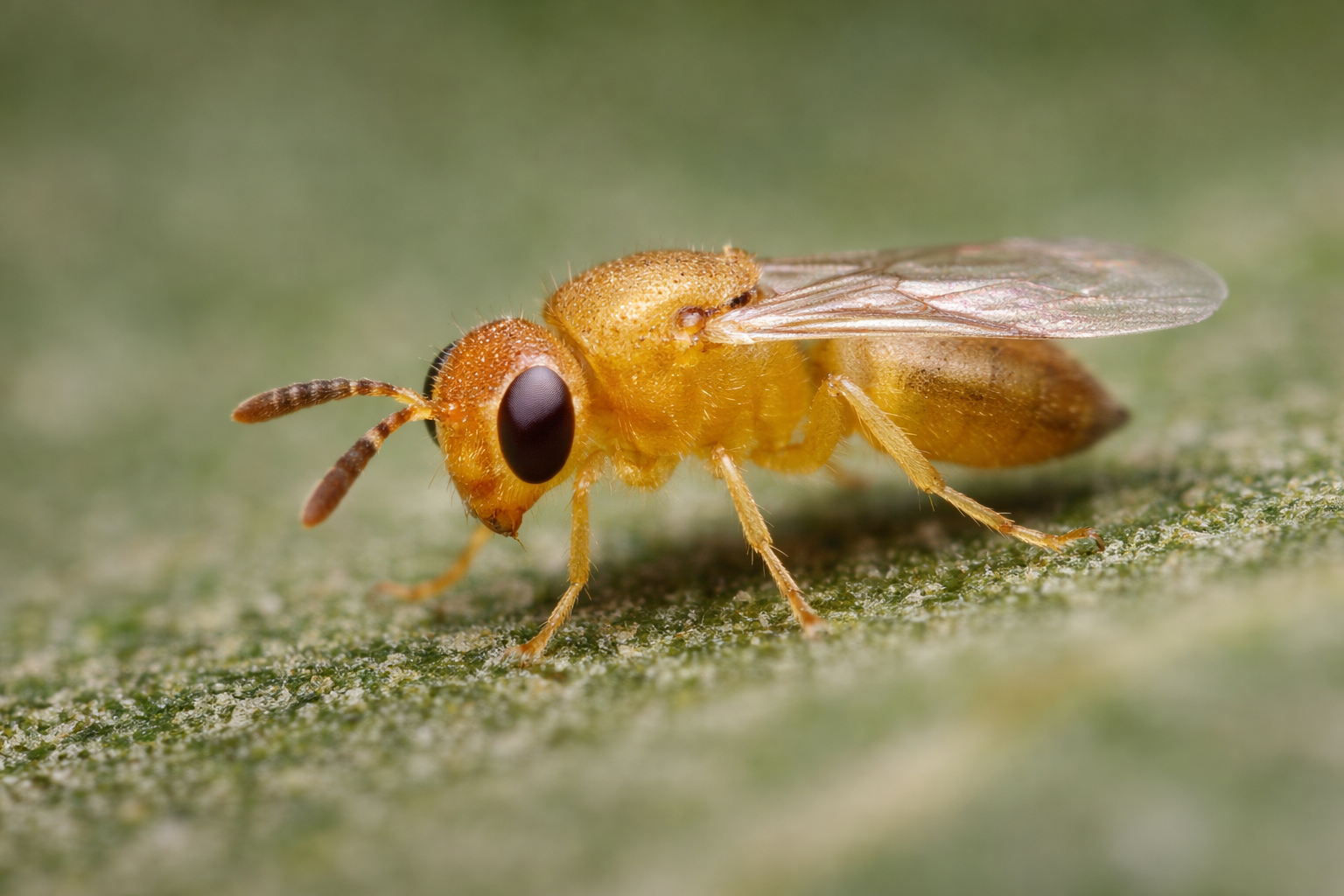
Among commercially available biological controls, Lindorus lopanthae is a highly effective predator of many armored scale species and some immature soft scales, thriving in dense infestations and spreading naturally once established. Aphytis melinus, a specialized parasitoid, attacks key armored scale species by laying eggs beneath the scale covering while also killing additional scale through host feeding. When released regularly and in sufficient numbers, these beneficial insects, often used together, can suppress or control scale infestations within two to three months, with only occasional maintenance releases needed thereafter.
Lindorus lopanthae is a powerful biological control for managing scale insects in orchards, landscapes, greenhouses, and interiorscapes. These tiny black lady beetles attack hard and soft scale by consuming crawlers, eggs, and adults—even under armored coverings. With adequate food and favorable conditions, Lindorus reproduces rapidly and spreads from release sites for lasting control. Also known as Purple Scale Predator or Rhyzobius lopanthae.
Shipped Tuesday, order by previous Wednesday.