
Mealybug control
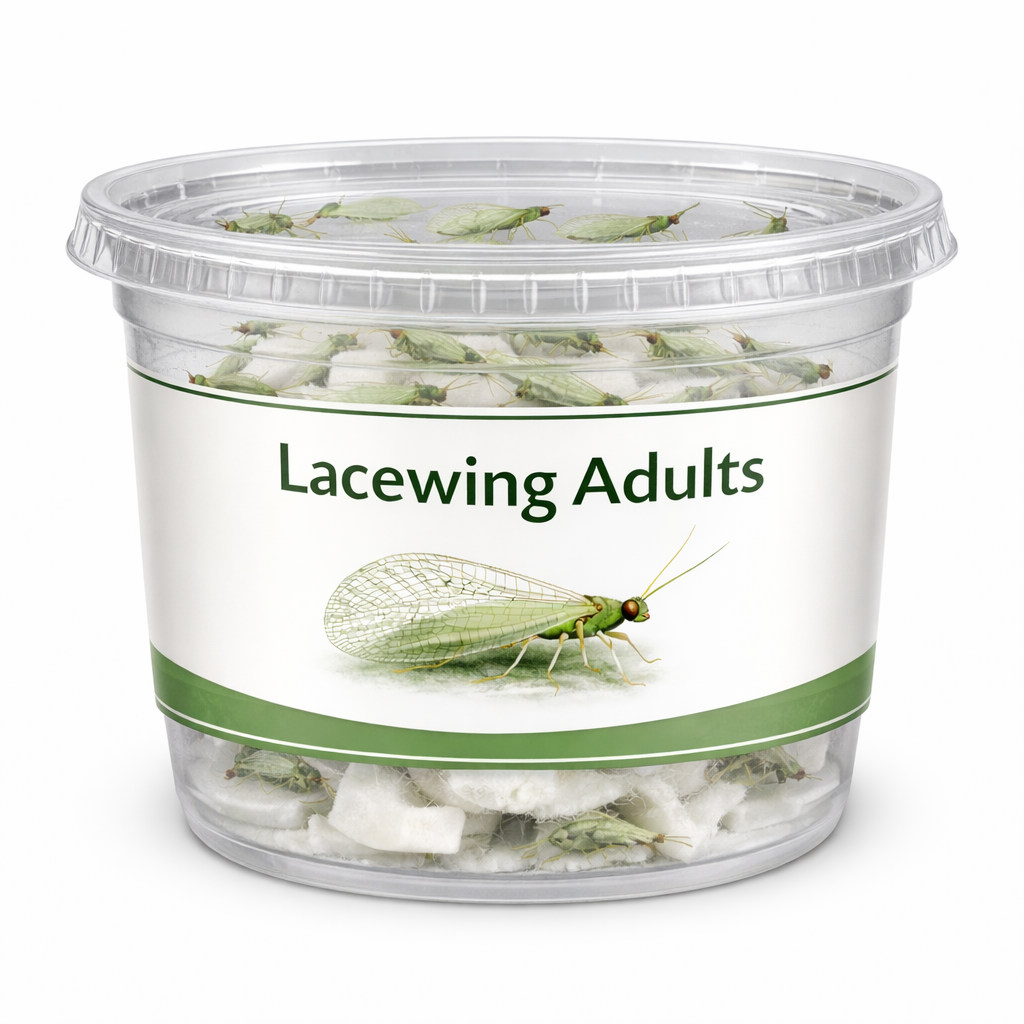
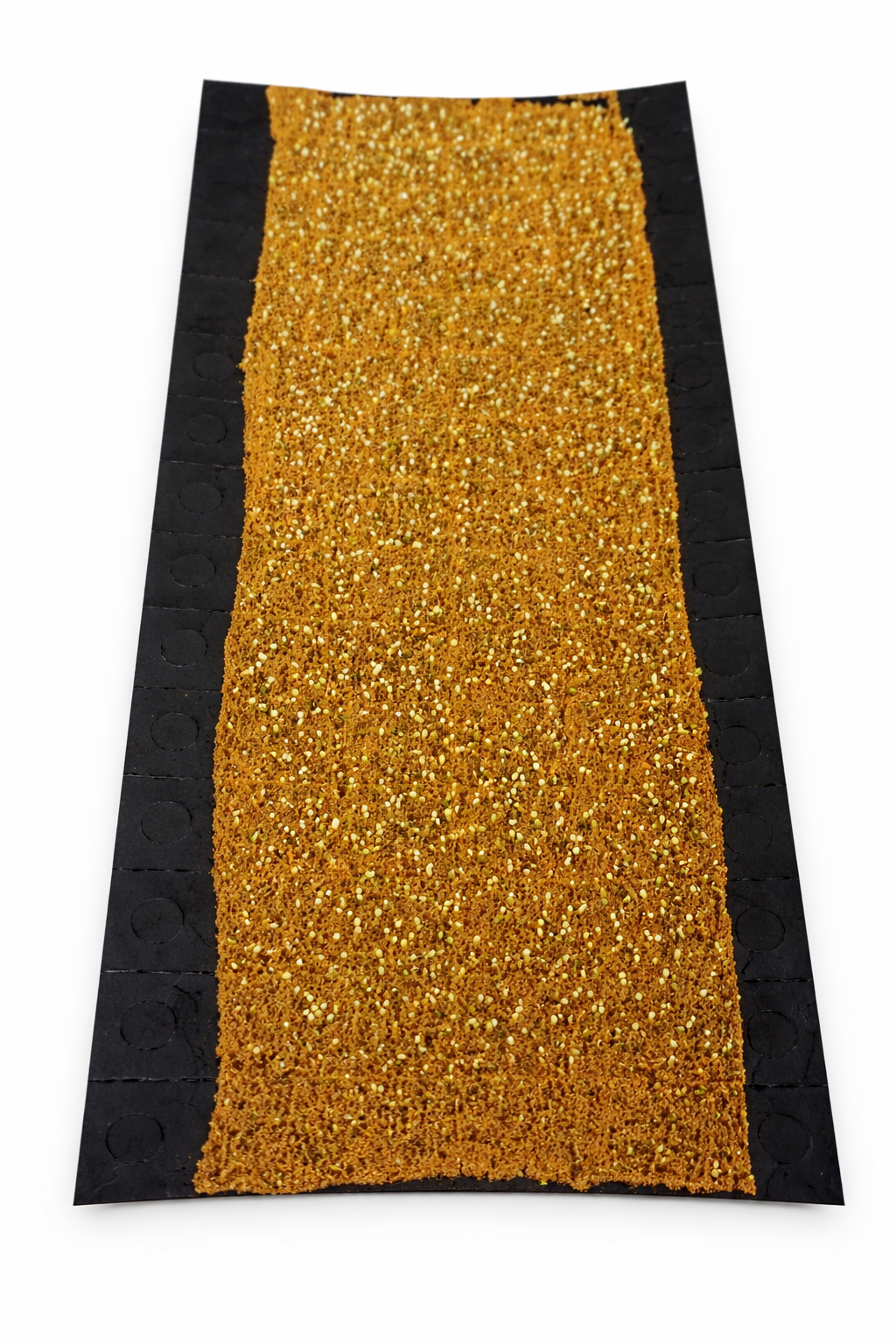
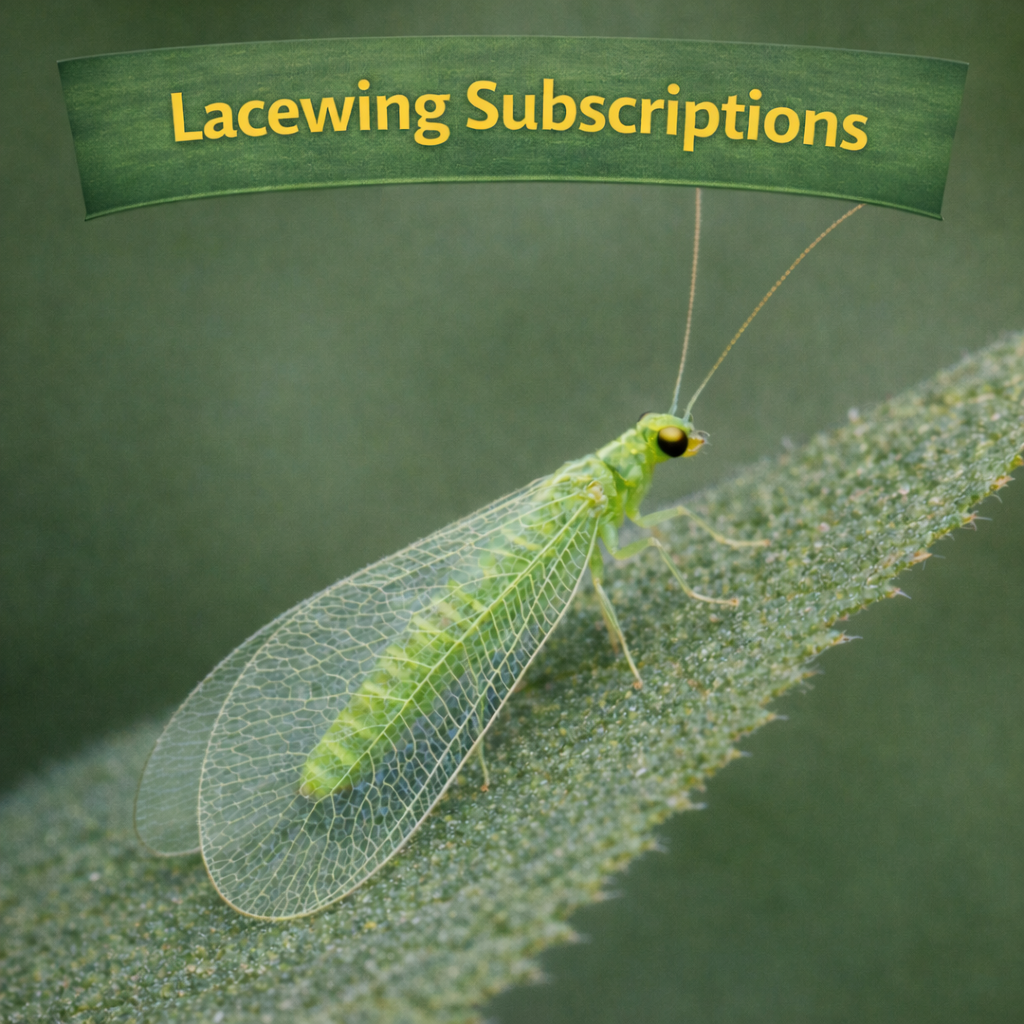
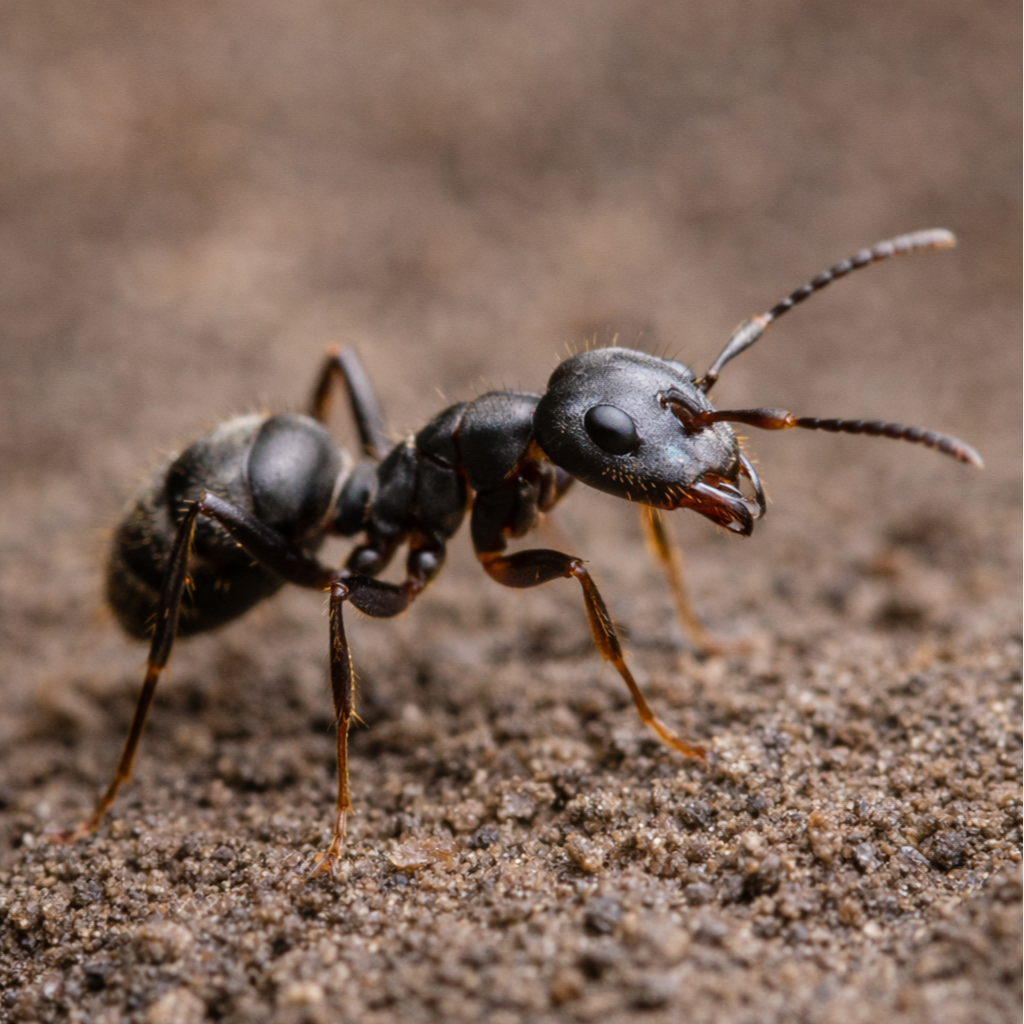
Mealybugs are common pests across agricultural crops, interiorscapes, greenhouses, and home gardens, with different species (such as citrus mealybug, longtailed mealybug, grape mealybug, and obscure mealybug) varying in behavior, habitat, and susceptibility to control. Accurate identification of the mealybug species present is an important first step in building an effective biological control program. Cryptolaemus montrouzieri (mealybug destroyers) are the most widely used and effective predator, consuming all life stages of mealybugs and performing especially well in warmer, protected environments. Lacewing larvae provide broad-spectrum predation and are useful for early infestations and mixed pest situations. Long-term success also depends on ant management, as ants protect mealybugs in exchange for honeydew and can severely limit predator effectiveness. Cultural practices that reduce dust, excess nitrogen, and plant stress, along with targeted use of non-toxic tools such as fungal biopesticides or oils when needed, help bring populations into balance. Early intervention and consistent releases are key to achieving sustained control.
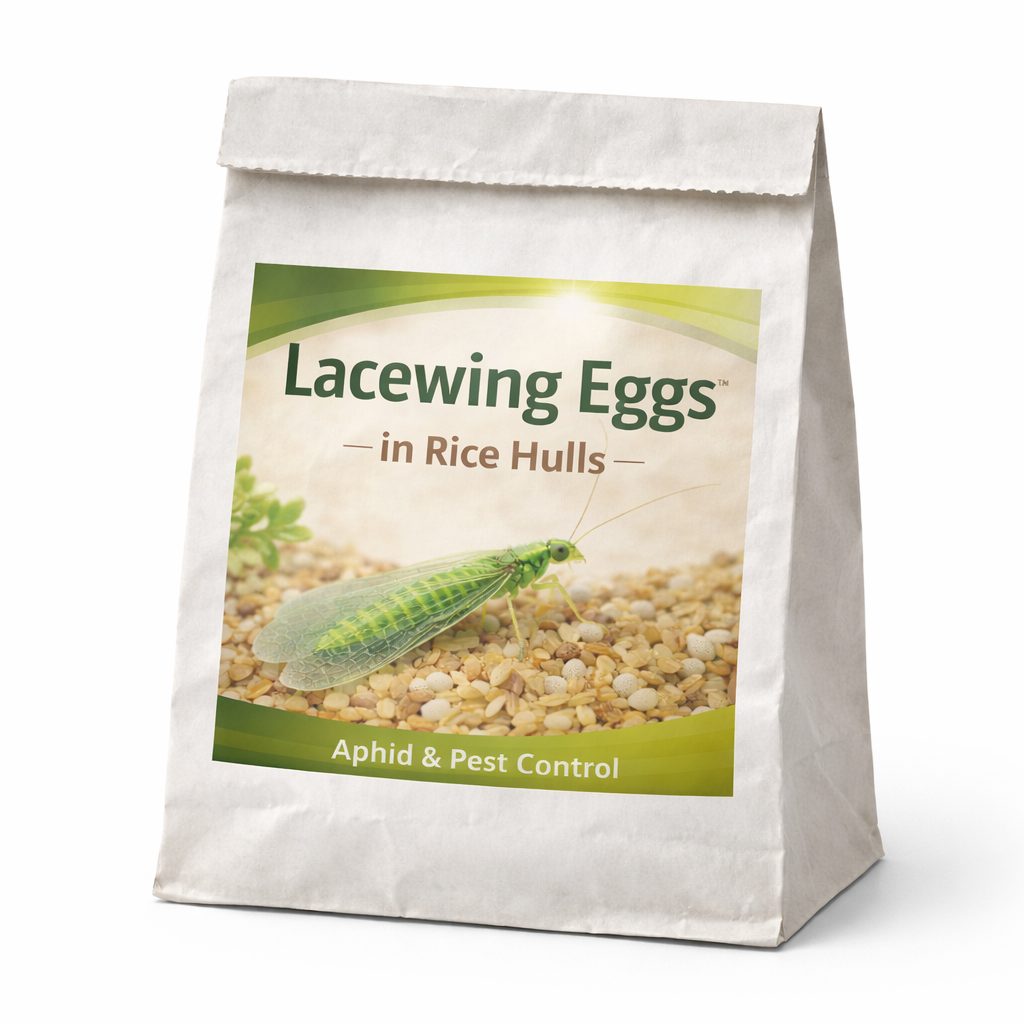
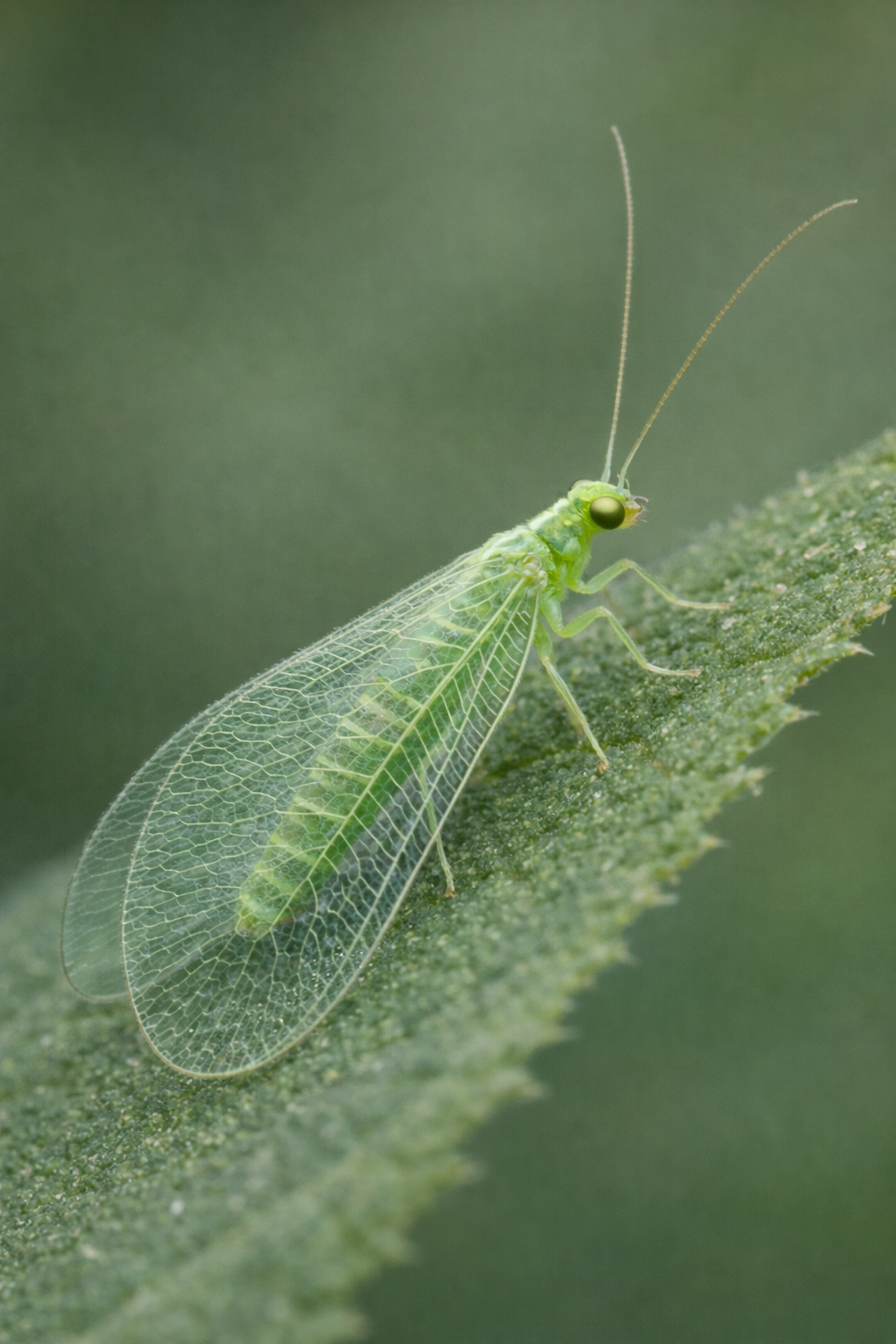
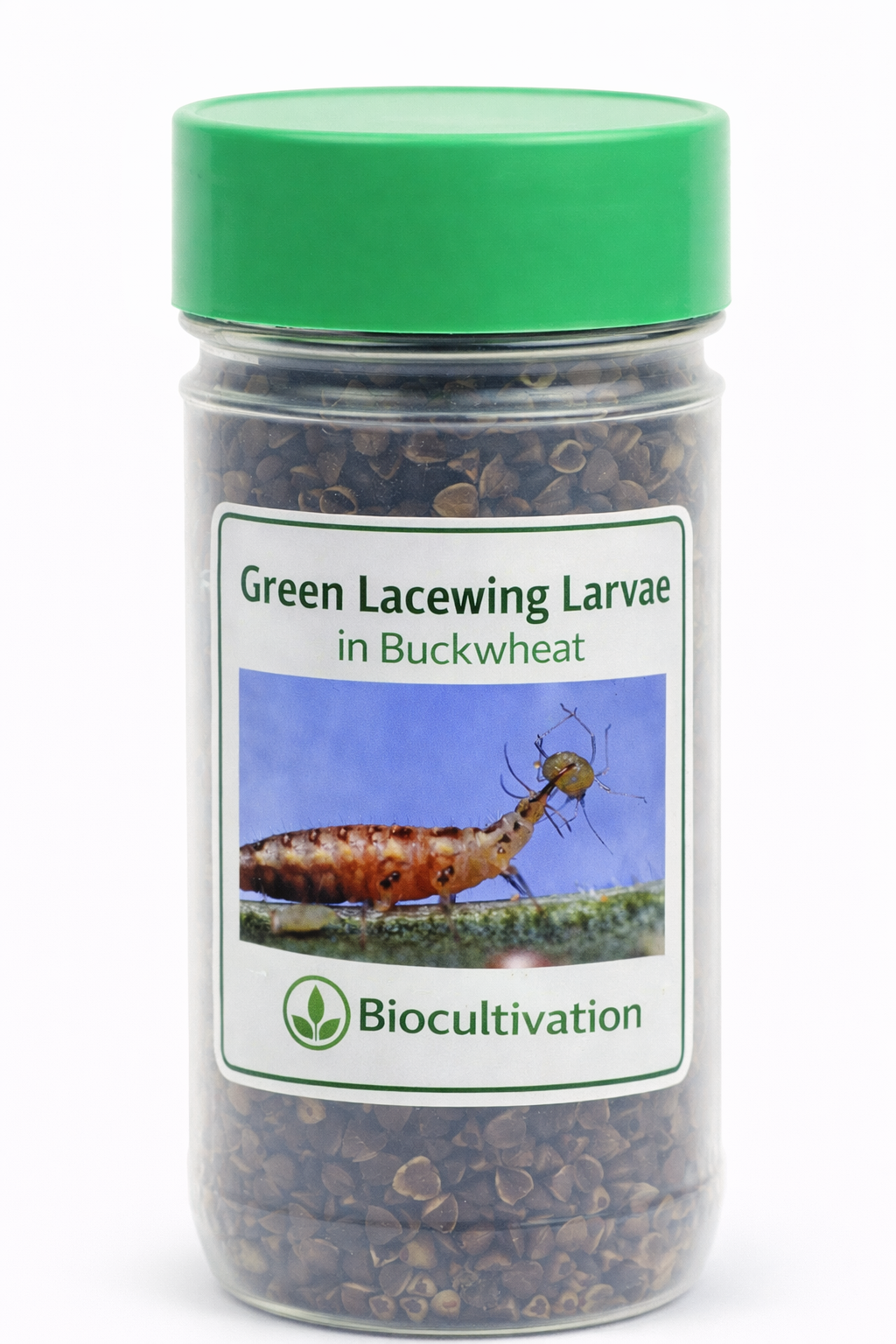
Lacewing Products

Ant Control for Mealybug Control
Ant Control
This lady beetle attacks many species of mealybugs. It will also feed on aphids and immature scale insects when mealybugs are in low numbers. It may sometimes be less effective against longtailed mealybug being a high density feeder, but will reproduce when mealybug are present Both adult and larval stages are predatory, but don't mistake "crypt" larvae for mealy-bugs since both have a white, waxy coating. Two releases of approximately 1 beetle per square foot of planted area or 2 to 5 per infested plant is a guideline when mealybug populations are small. Subsequent monthly releases may be needed.
Care and Distribution: Do not refrigerate these tropical beetles! "Crypts" are shipped as adults ready for release by sprinkling on infestation sites.
Shipped Wednesday, order by previous Wednesday.