
Fungus Gnats
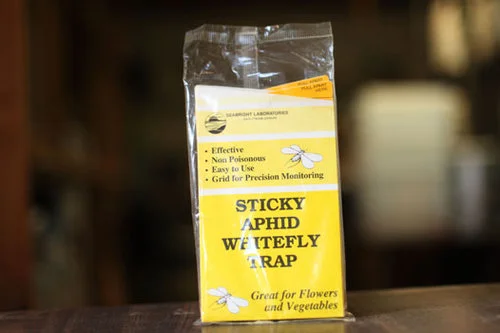
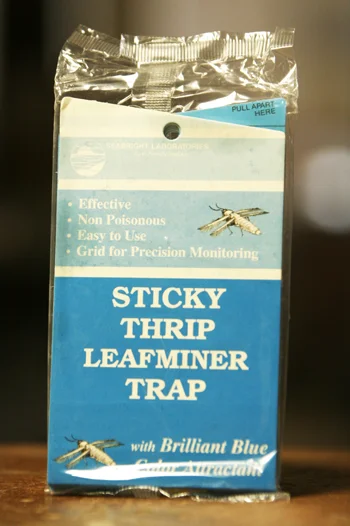
Raw potato slices can be used to track Fungus Gnat populations. Place on the growing media surface for one hour and record the number of gnat larvae on them to detect change in population. Once detected, prompt action is vital. Apply Stratiolalaps (Hypoaspis) followed in one week by an application of Sf or Hb nematodes. Nematodes kill fungus gnat larvae and supplement Hypoaspis’ food supply helping them to spread. Introduction of Atheta can be effective and a preventative measure if the soil is loose. Gnatrol (Bti) is an alternative to beneficials, but is of no use for prevention at low pest levels. If fungus gnat populations tend to explode, try using a little less coir or other undecomposed hygroscopic organic matter in the soil mix. Sticky traps have been shown to be an effective tool.
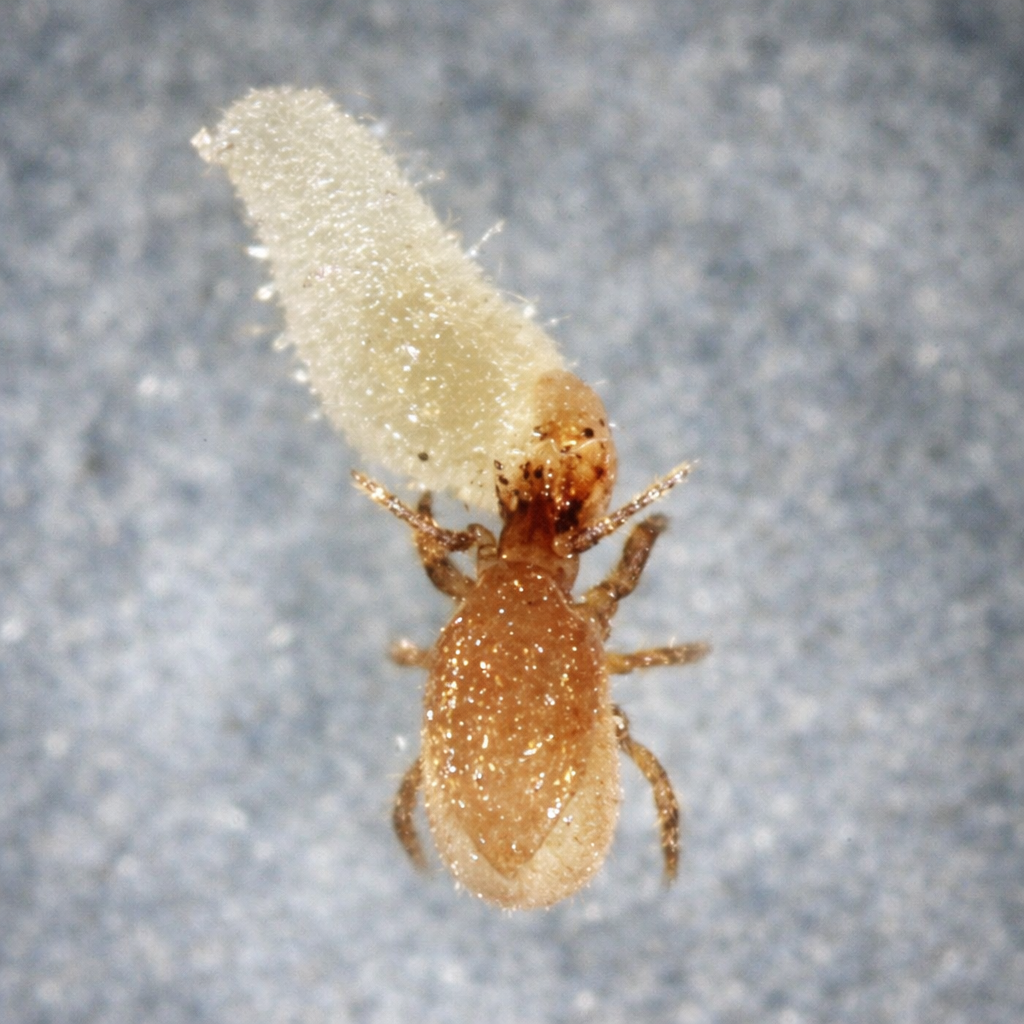
Predatory rove beetle Dalotia coriaria targets western flower thrips that build up in soil under greenhouse benches. Also attacks fungus gnats, root aphid larvae, and shore flies.
2 beetles per plant once a week.
Recent reports indicate Atheta may occasionally scavenge for thrips inside the buds and become stuck in the bud resin. At this point, we suggest our other predators over Atheta unless you have used with prior experience of success or are using it with test plants.
Shipped Wednesday, order by previous Friday.