
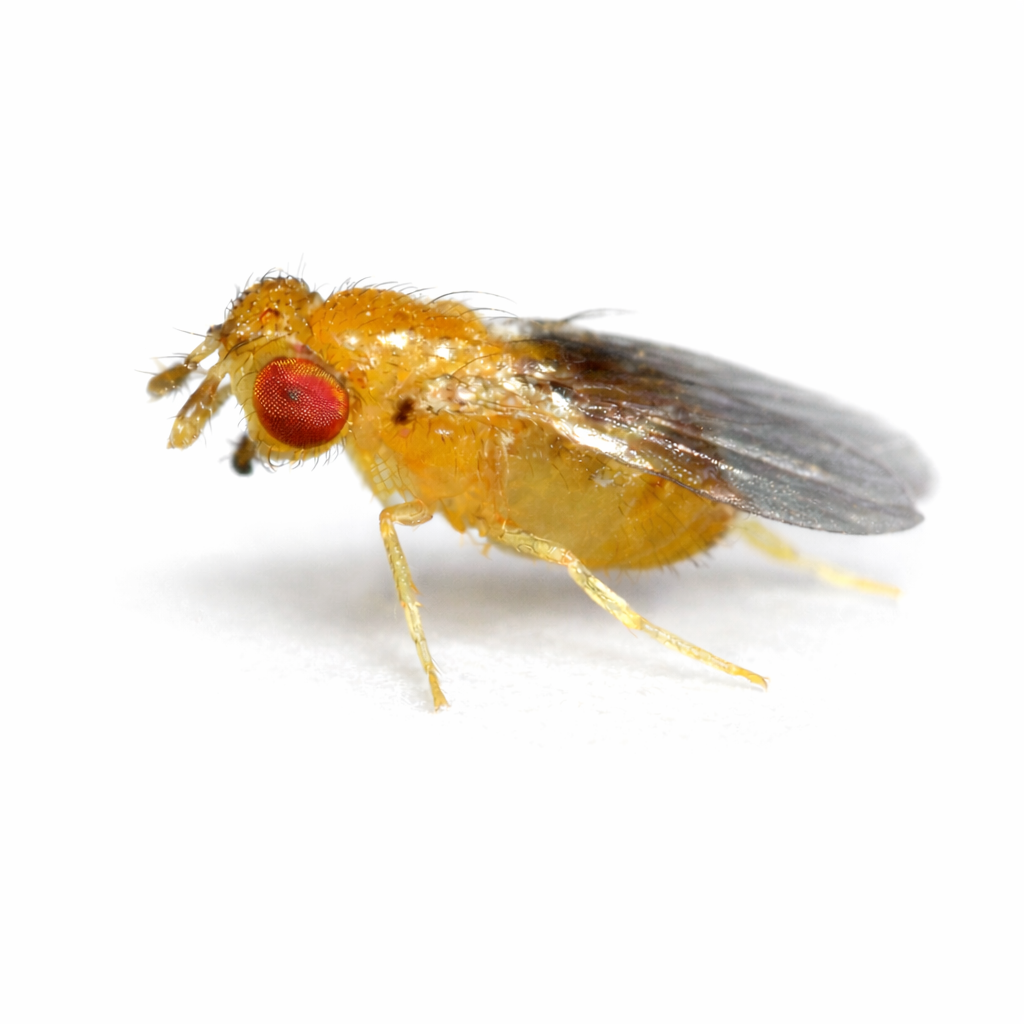
Trichogramma brassicae
Trichogramma brassicae is a beneficial parasitic wasp that prevents caterpillar and borer damage by parasitizing moth eggs before they hatch, making it an ideal biological control for cole crops and other low-growing plants in cooler climates. This proactive biocontrol solution targets more than 200 Lepidopteran pests and integrates seamlessly into organic and IPM programs for gardens, farms, greenhouses, and orchards. Best results are achieved when releases are timed with early moth flights and repeated every 7–10 days to suppress ongoing egg-laying pressure.
Shipped MTW, order previous Thursday.
Additional Info
Trichogramma brassicae is a highly effective egg-parasitoid wasp used to prevent caterpillar outbreaks before damage occurs, particularly on cole crops and other low-growing plants in cooler regions. By targeting moth eggs rather than feeding larvae, this beneficial insect stops infestations at the earliest possible stage—before borers and caterpillars ever emerge.
Successful control depends on precise release timing. Releasing too early limits effectiveness due to insufficient pest eggs, while late releases allow larvae to hatch and begin feeding. For best results, introductions should coincide with the first observed moth flights and continue at regular intervals while egg-laying pressure persists.
How It Works
Female Trichogramma wasps insert their eggs directly into moth eggs, halting pest development entirely. The parasitoid larvae consume the host egg from the inside, completing development in roughly 10 days. As parasitized eggs mature, they darken to brown or black. Adult wasps typically survive 7–14 days depending on temperature and humidity, and a single female may parasitize up to 300 pest eggs. When shipped on cards or tabs, emergence generally occurs within 2–5 days.
Selecting the Right Species
Choosing the appropriate Trichogramma species improves performance:
T. minutum – Best suited for regions east of the Rocky Mountains, T. platneri – Preferred for western U.S. conditions, T. pretiosum – Broad-spectrum option for many crops, T. brassicae – Optimized for low-lying crops and cooler climates
Note: Emergence holes in host eggs can be seen only under strong magnification after adults have emerged.
Target Pests
Trichogramma species parasitize eggs of more than 200 Lepidopteran pests, including cutworms, armyworms, borers, loopers, webworms, leafrollers, fruitworms, and many moth species affecting vegetables, orchards, vineyards, turf, and ornamentals (excluding beet armyworm).
Release Rates & Formats
Cards / Tabs
1 tab per 3,000 sq ft or 1 tab per tree in orchards
½–2 cards per acre weekly for 2–6 consecutive weeks
Bulk Eggs
Applied at 1–2 eggs per sq ft
50,000–100,000 eggs per acre
Bulk eggs are shipped without a carrier and should be distributed using hanging release boxes
All Trichogramma should be released immediately upon arrival. Continue applications every 7–10 days until moth pressure declines.
Application Tips
Install cards or release boxes in early morning or evening, avoiding direct sunlight. Position releases below plant canopies or in areas where moth activity has been observed. Cards may be hung, staked, or attached to container edges. Do not handle eggs directly.
Monitoring & IPM Integration
Pheromone traps and regular leaf inspections are strongly recommended to track moth activity and determine optimal release timing. Trichogramma integrates seamlessly into organic and conventional IPM programs.
Storage & Environmental Conditions
Allow emergence in a warm (80–90°F), shaded location if adults have not yet emerged. Once emerged, release immediately for best survival and performance.
Suitable Environments
Field crops, orchards, vineyards, nurseries, greenhouses, grow rooms, hydroponic and aquaponic systems, container plants, and landscape settings.