
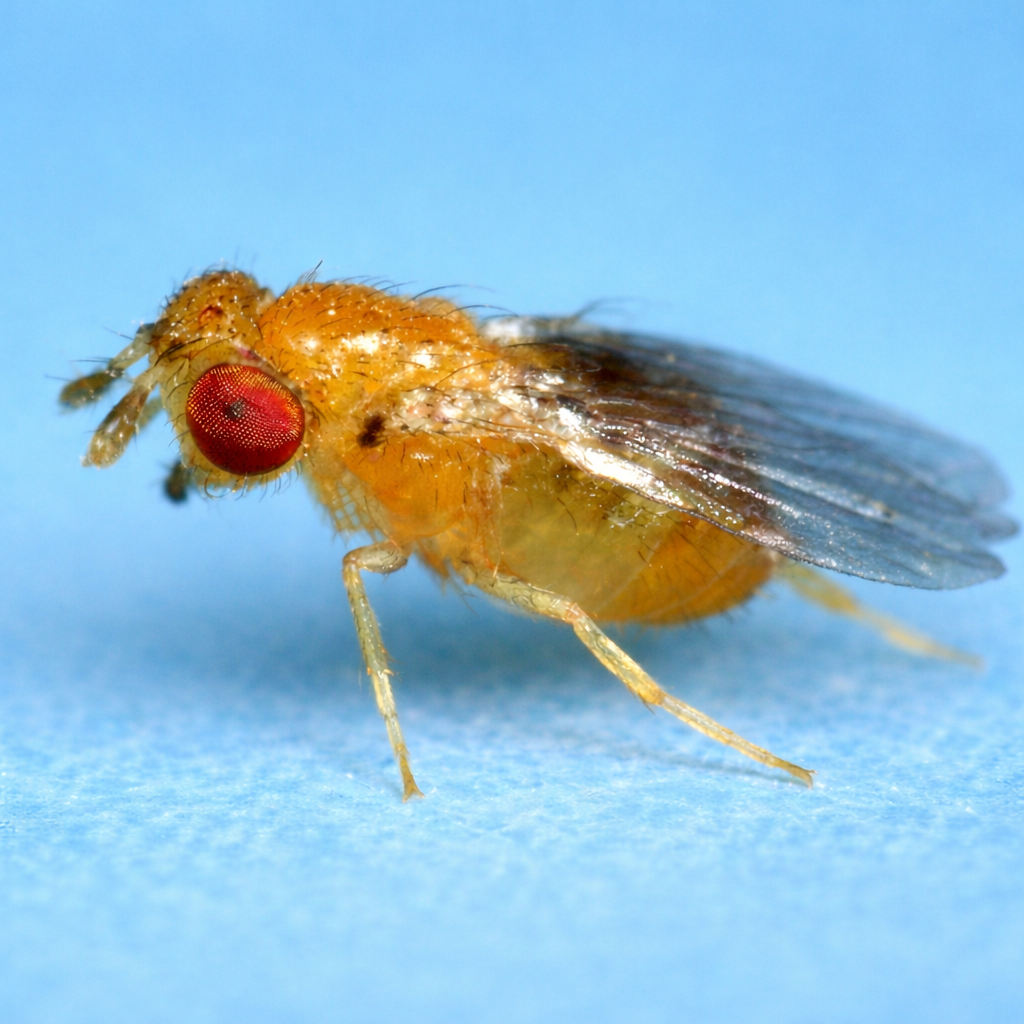
Trichogramma minutum
Trichogramma minutum is a microscopic beneficial wasp that prevents caterpillar damage by parasitizing moth eggs before they hatch, making it an effective biological control for orchards and tall crops. Native and well-adapted to tree canopies, it targets over 200 pest moth species including codling moth, budworms, and loopers, before larvae can feed on crops. Best results are achieved with early, repeated releases timed to moth flight as part of an organic or IPM program.
Shipped MTW, order previous Thursday.

Additional Info
Trichogramma minutum
Micro-Wasp Egg Parasitoid for Orchard & Tall Crop Moth Control
Trichogramma minutum is a microscopic parasitic wasp that prevents caterpillar damage by destroying moth eggs before they hatch. Native to eastern North America, this species is especially well adapted to orchards and tall crops over 8–10 feet, where it can colonize all levels of the tree canopy and persist from season to season.
Rather than reacting to feeding damage, T. minutum works preventively—stopping moth populations at the egg stage and protecting crops before worms ever emerge.
Target Pests
Trichogramma minutum parasitizes the eggs of over 200 species of pest moths, including:
Codling moth (eastern orchards)
Diamondback moth
Budworms & bud moths
Cranberry fireworm
Hemlock looper
Cutworms, fruitworms, leafworms, leafrollers, loopers, armyworms, and borers
This species is particularly effective against moths that lay eggs in clusters, which are easier for Trichogramma to locate and parasitize.
How It Works: Micro-Marvel Egg Control
Trichogramma minutum adults are pale yellow micro-wasps, approximately 1/100 inch long—smaller than a pinhead. Females locate freshly laid moth eggs and drill through the eggshell to deposit 1–3 of their own eggs, adjusting egg number based on host egg size.
The developing Trichogramma larvae consume the contents of the moth egg, pupate inside, and then cut a tiny exit hole for the winged adult to emerge. Parasitized moth eggs turn dark brown or black within 48 hours, making parasitism easy to monitor.
Males emerge first, wait near host eggs, and immediately mate with newly emerged females—allowing populations to expand rapidly.
Life Cycle & Population Growth
At favorable temperatures, Trichogramma minutum completes its life cycle in 7–10 days (longer in cool weather). This rapid turnover allows for up to 30 generations per season, creating exponential population growth when releases are started early.
Most egg-laying occurs within the first 1–2 days after mating
Females commonly parasitize 60–100+ moth eggs, depending on conditions
Adults feed on nectar, pollen, honeydew, and insect eggs
Early releases result in larger populations positioned ahead of pest outbreaks
Because populations grow geometrically, early-season releases are far more effective than late interventions.
Environmental Requirements
Best performance occurs under:
65–85°F (18–29°C)
Moderate humidity (≥60%)
Cool temperatures and heavy rainfall can reduce activity, while warm, shaded canopies favor establishment.
Species Selection & Regional Fit
Rincon-Vitova Insectaries has reared Trichogramma since 1960, maintaining multiple species and biotypes adapted to specific pests and regions.
Trichogramma minutum – Best for eastern U.S., native, overwinters, colonizes all canopy levels
T. platneri – Western U.S. orchards (avocado, apple, pear, walnut strains available)
T. pretiosum – Warm-weather, generalist species for vegetables and vineyards
If pest identification is uncertain, we recommend contacting us to match your crop and pest with the most effective species or strain.
Product Format & Handling
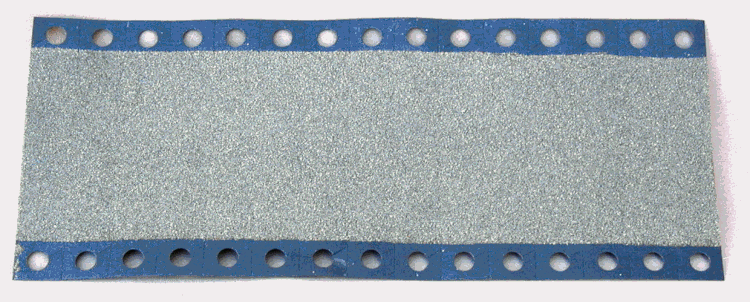
Trichogramma minutum is shipped as parasitized grain moth eggs attached to perforated cardboard cards.
~120,000 Trichogramma per card
Cards separate into 30 tabs, each containing ~4,000 parasites
Cards may be cut and distributed evenly throughout crops
Adults typically emerge within 2–5 days, depending on temperature. For best results, do not delay release once emergence begins.
Release Timing & Application
Orchards & Tall Outdoor Crops
Releases should begin when moths are flying and laying eggs, as detected by pheromone traps or scouting.
General guidance:
50,000–100,000 Trichogramma per acre per release
Apply weekly during egg-laying periods
Continue 2–6 weeks, depending on pest pressure
In orchards, place cards in the lower canopy of each fruit-bearing tree, protected from direct sun. Releasing some material upwind can improve natural dispersal.
Home Orchards
~12,000 Trichogramma weekly
Apply for 3 consecutive weeks starting at first moth activity
Greenhouse Use
While T. minutum is primarily an outdoor species, limited greenhouse use has shown promise:
Tomatoes: ~22 per 10 sq ft, weekly
Peppers: 1–10 per 10 sq ft, weekly
Monitoring Success
Trichogramma activity can be monitored by:
Placing fresh moth egg cards in the field
Conducting short, timed egg searches
Healthy parasitism is indicated when moth eggs darken within 48 hours. Ratios of dark (parasitized) to light (unparasitized) eggs provide a reliable measure of effectiveness.
Integration with IPM
Trichogramma are not pesticides and perform best as part of a diversified IPM program. When combined with native predators such as lacewings, lady beetles, pirate bugs, spiders, and ground beetles, total egg destruction can exceed 95%.
Avoid broad-spectrum insecticides. Trichogramma are highly sensitive to pesticides, but most fungicides and plant growth regulators are compatible. Spreader-stickers and high-volume sprays should be avoided.
Why Start Early
Biological control improves over time. Many growers see the strongest results after 2–5 seasons as beneficial populations build and stabilize. Early releases, reduced spraying, and habitat support (flowering borders, cover crops, refugia) dramatically improve long-term control.
Ideal For
Orchards & tree crops (eastern U.S.)
Tall field crops
Organic & regenerative systems
Preventative moth management
Long-term IPM programs